
Whale Tagging Technology: How Scientists Study Whales in the Wild
Whales are among the largest animals that have ever lived, yet much of their lives happens beneath the ocean surface. Understanding how whales behave, how they navigate their environment, and how their health changes over time requires tools that allow scientists to observe animals directly in the wild.
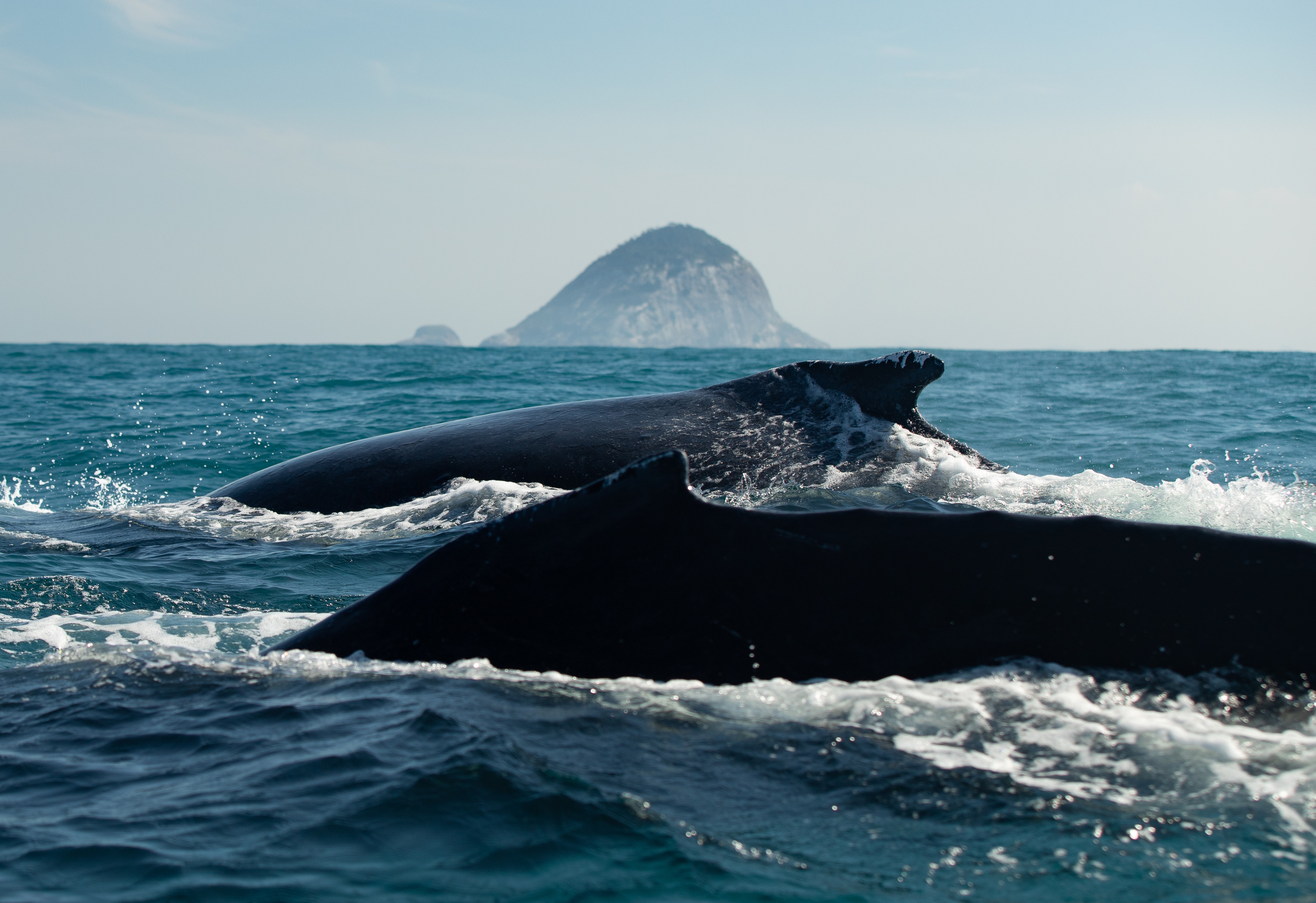
One of the most powerful tools developed for this purpose is whale tagging technology.
Whale tags are small scientific instruments temporarily attached to a whale’s body. These tags record information about how whales move, what they hear, and the conditions they experience in the ocean. By collecting these measurements, researchers can reconstruct the underwater lives of whales in ways that would otherwise be impossible.
Why scientists tag whales
For much of marine science history, whale research relied on surface observations — watching whales from ships or shore. These observations remain important, but they provide only a limited view. Most whale activity occurs underwater, often at depths where direct observation is impossible.
Whale tagging allows scientists to follow whales beneath the surface.
By attaching tags equipped with sensors, researchers can collect data that reveals:
- how whales move through the water
- how deep they dive
- how they use sound
- how they respond to environmental conditions
What whale tags measure
Modern whale tags are a type of bio-logging device. Bio-logging refers to the use of small electronic tags that record biological and environmental data directly from animals.
Different whale tags contain different sensors, but many include several core components.
Movement sensors
Most whale tags contain an IMU (accelerometers, gyroscopes, magnetometers). These sensors enable reconstruction of movement and orientation and help identify behaviors such as swimming, feeding lunges, rolling, and resting.
Acoustic sensors
Many whale tags include hydrophones, which record the soundscape surrounding the whale. Hydrophones can capture whale vocalizations, ambient ocean sound, and anthropogenic noise such as ships. When combined with movement and depth, acoustic recordings help interpret how whales behave in different sound environments.
Environmental sensors
Whale tags often include depth and temperature sensors. These measurements provide context for interpreting dive behavior and habitat use.
Non-invasive whale tagging
A widely used approach in whale tagging technology is the suction-cup tag.
Suction-cup tags attach temporarily to the surface of a whale using suction cups rather than penetrating the skin. After remaining attached for a period of time, the tag releases and floats to the surface where researchers can retrieve it along with the recorded data.
Suction-cup tags are:
- non-invasive
- temporary
- data-rich for short deployments
- retrievable
Whale tagging and conservation
Whale tagging technology is not only about observation. It is also a powerful tool for conservation.
Whales face growing pressures from climate change, shifting prey availability, vessel traffic, and underwater noise. Tagging studies can help determine:
- how whales use important habitats
- how they respond to sound exposure
- how individuals behave during feeding or migration
- how environmental changes affect whale populations
These insights help scientists and policymakers make better-informed decisions about protecting marine ecosystems.
FaunaLabs and the next generation of whale tags
At FaunaLabs, we develop non-invasive whale tagging technology designed to expand what we can measure in free-swimming whales and dolphins.
Our platform, FaunaTag, is a suction-cup attached marine mammal bio-logging tag integrating synchronized sensors for movement, acoustics, depth/temperature, and emerging bio-optical sensing technologies.
By combining these measurements, FaunaTag helps connect behavior, environment, and health-relevant signals in ways that are difficult to observe from the surface.
The ultimate goal is simple: to help us better understand whales and dolphins in the wild — and use that knowledge to help protect them.