
Understanding whales. Protecting oceans. Advancing science.
FaunaLabs is a mission-driven nonprofit research organization dedicated to understanding whales and other marine mammals in the wild and using that knowledge to support their long-term conservation.
Whales live in some of the most remote and challenging environments on Earth. Learning how they behave, move, and respond to change requires tools and methods that can operate alongside them without causing harm.
One of the most powerful tools for studying whales today is whale tagging technology. Temporary, non-invasive whale tags can record how whales move, dive, and experience their environment beneath the ocean surface. At FaunaLabs, we build these tools as part of our conservation mission — to help us better understand whales and dolphins in the wild.
FaunaLabs exists to make that possible. We combine field science, engineering, and data analysis to help researchers, policy makers, and stakeholders answer fundamental questions about marine life — questions that matter not only to science, but to the health of ocean ecosystems worldwide.
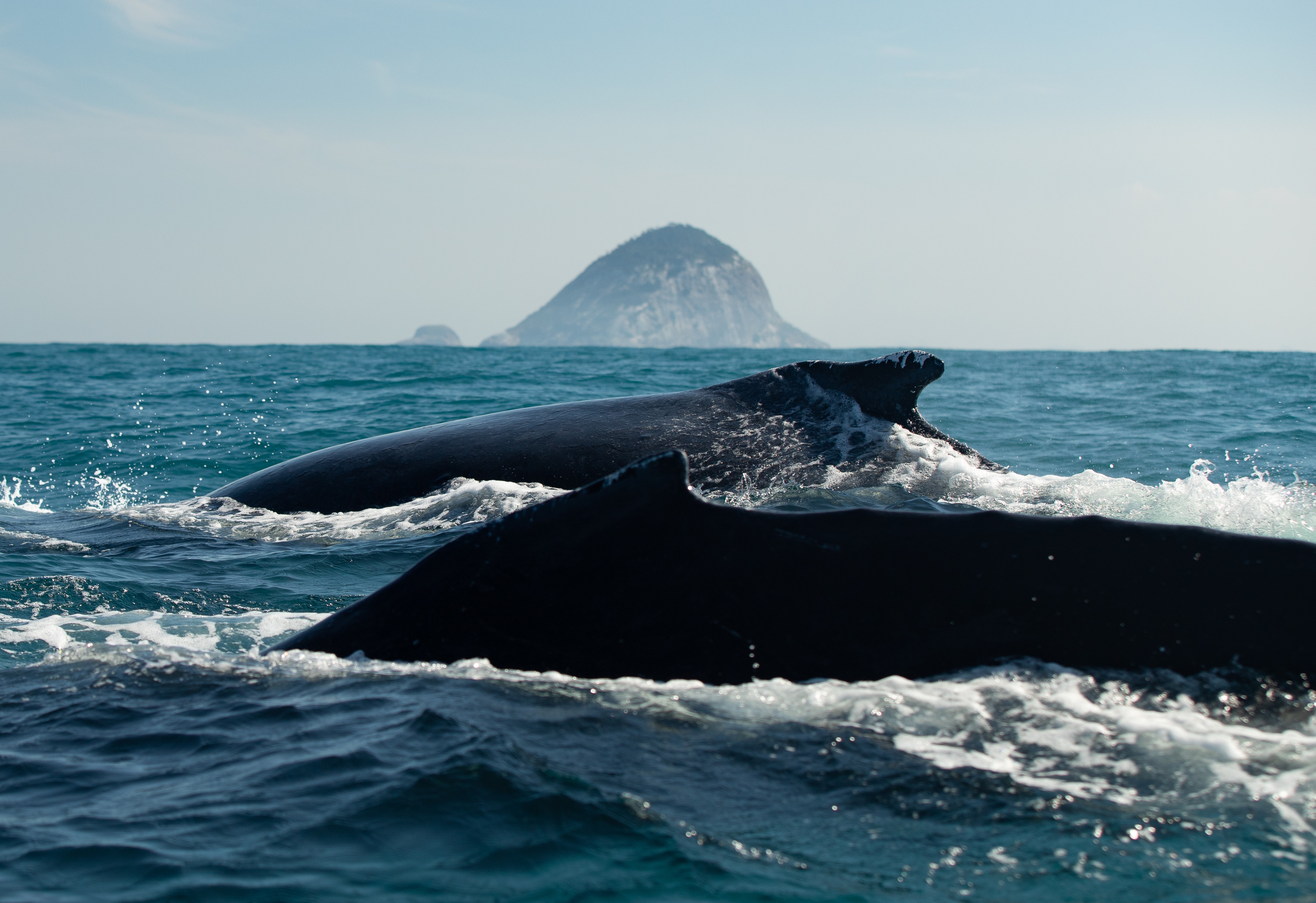
Research
Field-first science that respects animals and produces actionable insights.
We design studies and instrumentation that can work in real ocean conditions, providing high-quality data on movement, behavior, and environmental context. Our approach emphasizes non-invasive methods and responsible collaboration with researchers and conservation partners.
- Non-invasive sensing and responsible deployment practices
- Behavior + physiology + environment, measured together
- Open, reproducible analysis workflows
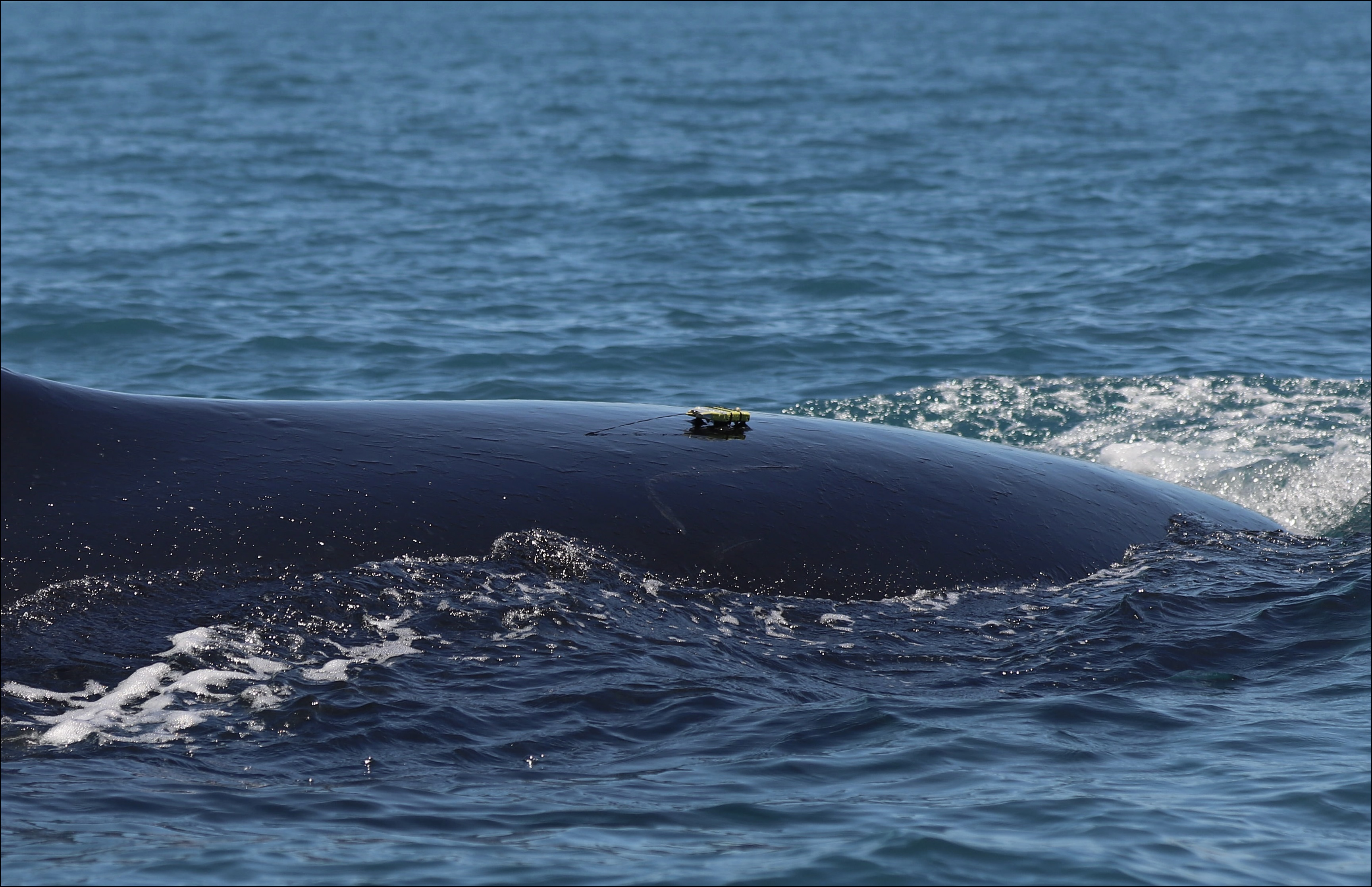
FaunaTag
A non-invasive, suction-cup tag platform designed for high-quality data — without disrupting natural behavior.
FaunaTag is FaunaLabs’ core whale tagging technology: a non-invasive suction-cup whale tag (and dolphin tag) built for rugged field deployment. It integrates synchronized sensors to capture a rich view of an animal’s experience — movement, acoustics, depth/temperature, and bio-optical signals — helping us connect behavior and environment to health-relevant indicators.
- IMU (accelerometer, gyroscope, magnetometer) for movement and behavior
- Hydrophone for acoustic context and recordings
- Depth + temperature for environmental context
- Bio-optical sensing inspired by biomedical approaches (including fNIRS-style designs)
- Designed to minimize animal impact via non-invasive suction-cup attachment
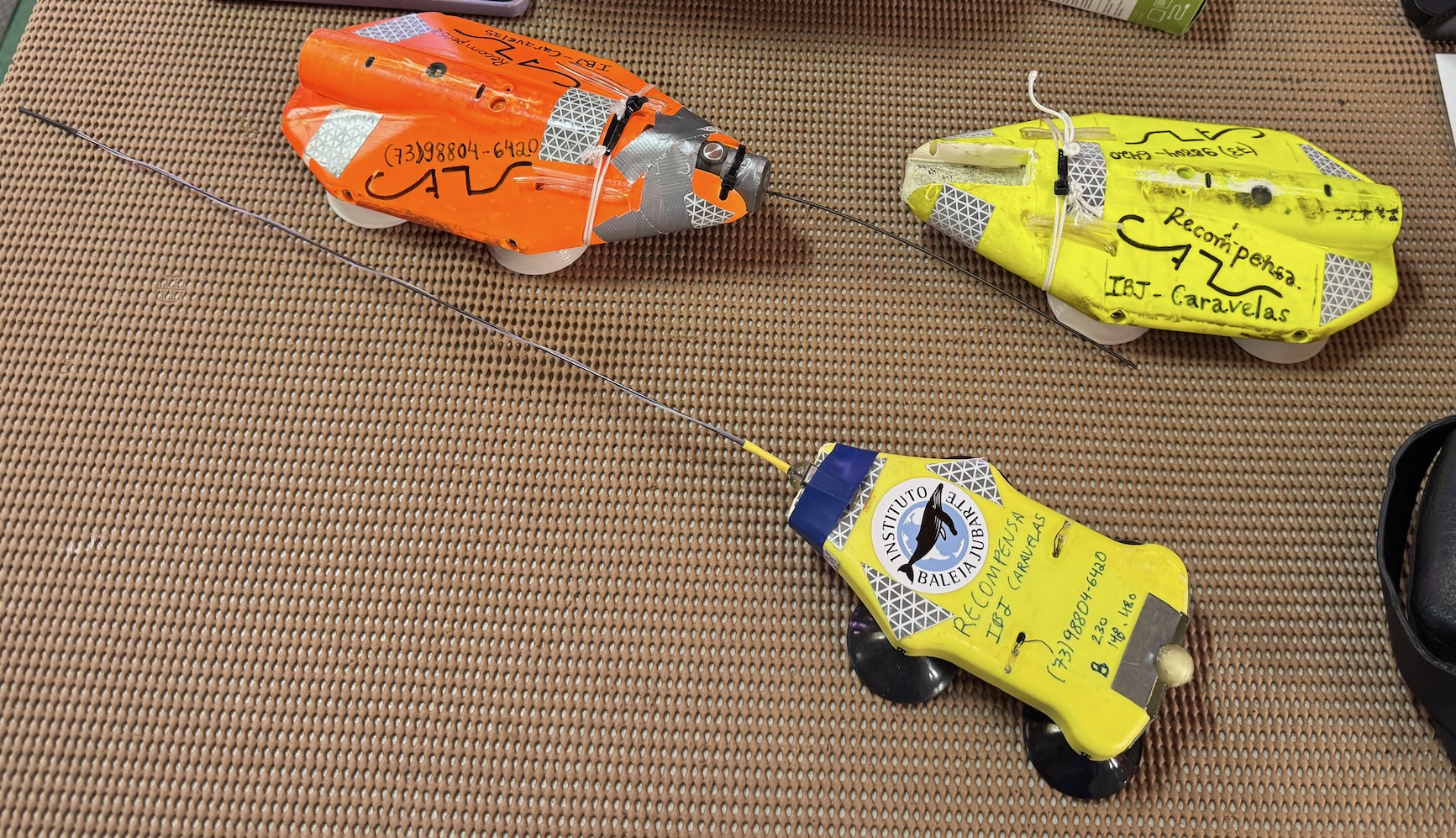
Stories
Field notes and highlights from deployments, collaborations, and data discoveries.
MARESIS: Measuring humpback whale health in Brazil
FaunaLabs supports humpback whale research in the Abrolhos Bank region of Bahia, Brazil as part of the MARESIS project. The work focuses on establishing baseline measures of whale health and understanding responses to anthropogenic acoustic disturbance.
This research is conducted in partnership with Instituto Baleia Jubarte and collaborating Brazilian whale researchers, with project sponsorship from Petrobras CENPES.
How suction-cup tags study whales without invasive attachment
Modern whale tagging technology increasingly relies on suction-cup tags that temporarily attach to whales and dolphins. These tags allow researchers to collect detailed data while minimizing disturbance to the animals.
Whale tagging technology: how scientists study whales in the wild
Whale tags are among the most powerful tools available for studying whales beneath the ocean surface. By combining movement sensors, hydrophones, and environmental measurements, whale tagging technology allows scientists to observe behaviors that would otherwise remain hidden.
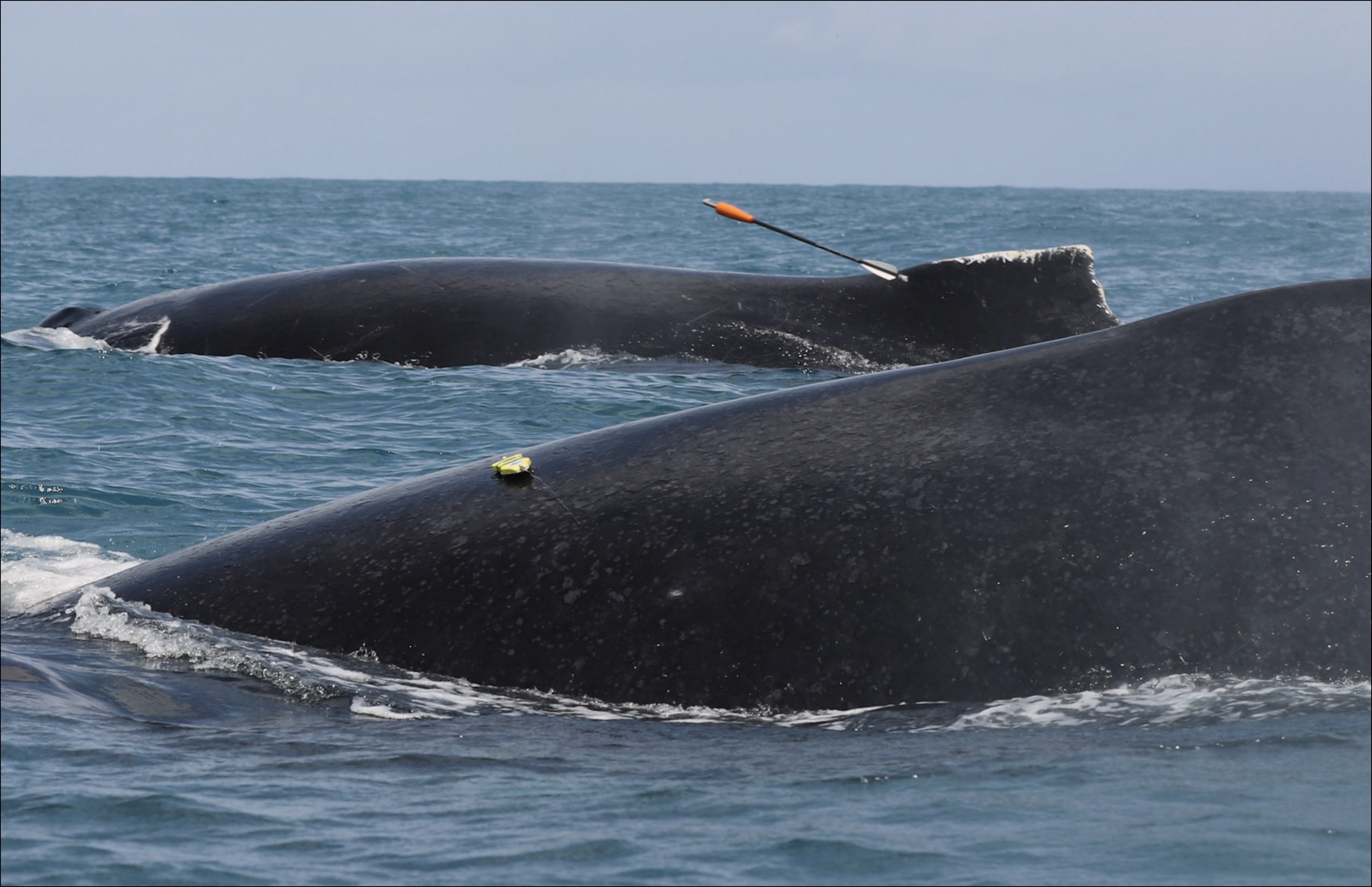
Get in touch
Send a message — we’ll get back to you as soon as possible.